industries do you serve with CNC programming
Computer Numerical Control, more commonly known as CNC programming, has become one of the driving forces behind modern manufacturing. It allows companies to produce precise, consistent, and complex parts with remarkable efficiency. At the heart of CNC machining is programming, where skilled professionals translate designs into instructions that guide machines such as mills, lathes, and routers. One of the most common questions businesses ask is what industries can be served with CNC programming. The truth is that CNC technology has applications across nearly every sector that requires high-quality, repeatable production.
The aerospace industry is one of the largest users of CNC programming. Aircraft and spacecraft components demand exceptional accuracy because even the smallest flaw can compromise safety. CNC programming ensures that turbine blades, landing gear parts, engine components, and structural pieces are machined to exact specifications. Materials such as titanium and aluminum, which are often used in aerospace, are difficult to work with, but CNC machines programmed correctly can handle them with precision. In this industry, programming is not just about shaping metal but also about meeting strict quality and safety standards.
The automotive industry also relies heavily on CNC programming. From engine blocks and transmission parts to custom interior components, cars and trucks are filled with pieces made possible by CNC machining. The ability to mass-produce identical parts with consistency makes CNC programming invaluable to automotive manufacturers. In addition to mass production, custom car builders and aftermarket companies also use CNC technology to create specialized parts that enhance performance or aesthetics. CNC programming allows both large-scale factories and small custom shops to deliver parts that fit perfectly every time.
In the medical industry, CNC programming services an equally critical role. Medical devices and equipment often require extremely small and intricate parts that must be produced with high accuracy. Examples include surgical instruments, orthopedic implants, dental components, and prosthetic devices. CNC programming ensures that these items meet the exact tolerances necessary for medical applications, where precision directly impacts patient safety and health. Many medical components are also made from specialized biocompatible materials such as stainless steel, titanium, or certain plastics, and CNC programming ensures that these materials are machined without defects.
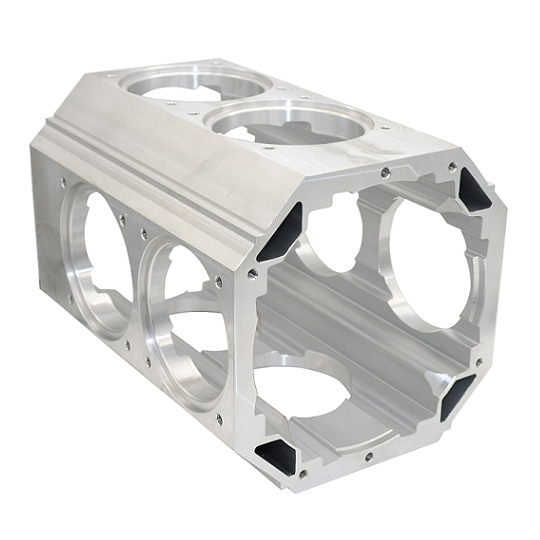
What industries do you serve with CNC programming?
The electronics industry is another sector where CNC programming is essential. As technology continues to advance, the demand for smaller and more complex electronic components grows. CNC machines produce housings, circuit boards, connectors, and enclosures with microscopic precision. The ability to machine plastics, aluminum, and other materials for electronic devices helps companies create smartphones, computers, and communication equipment that function reliably. CNC programming ensures that every detail, down to the smallest hole or slot, is accurately produced for proper assembly and performance.
Construction and architectural industries also benefit from CNC programming. Beyond metalworking, CNC routers are used to cut wood, stone, and composites for building components and decorative elements. From custom cabinetry and furniture to intricate architectural panels, CNC programming allows designers to bring creative visions to life. The ability to replicate detailed patterns and shapes consistently has revolutionized woodworking and construction, making customized design more accessible and affordable.
The energy sector is another field where buttress thread chart a major role. Power generation, whether from fossil fuels, nuclear, or renewable sources, requires precise equipment. CNC machining produces turbine blades, pumps, valves, and drilling components used in oil, gas, and wind energy production. These parts must withstand extreme pressure, temperature, and wear, and CNC programming ensures they are manufactured to meet demanding conditions.
Even industries like defense, marine, and consumer products rely on CNC programming. Weapons systems, shipbuilding, household appliances, and sporting goods often contain parts manufactured by CNC machines. The common thread across all of these industries is the need for accuracy, consistency, and efficiency, all of which CNC programming delivers.
In conclusion, CNC programming serves a vast range of industries, including aerospace, automotive, medical, electronics, construction, energy, defense, and more. Wherever precision and repeatability are required, CNC technology proves its value. By converting digital designs into flawless machine instructions, CNC programming makes it possible for manufacturers to deliver high-quality products at scale. The industries it serves are diverse, but they all share one thing in common: the reliance on CNC programming to push innovation, safety, and efficiency forward in the modern world.