network VAPT findings verified
Verifying security findings is an essential part of any cybersecurity assessment because it ensures that identified issues are accurate, relevant, and actionable. During security testing, professionals may discover multiple vulnerabilities across network devices, systems, applications, and configurations. However, every finding must be carefully reviewed before it is reported to ensure that it represents a genuine security risk. A network vulnerability assessment & penetration test includes detailed validation procedures that help security teams separate real vulnerabilities from false positives and provide reliable results.
The verification process begins with reviewing the details of each identified vulnerability. Security professionals analyze the evidence collected during testing, including system responses, configuration information, logs, screenshots, and technical observations. This review helps determine whether the issue exists under the tested conditions and whether it could realistically be exploited by an attacker. Accurate verification prevents organizations from wasting resources on addressing vulnerabilities that do not pose an actual threat.
Security testers often reproduce identified issues to confirm their existence. Reproduction involves carefully repeating the same testing steps that led to the discovery of the vulnerability. If the issue can consistently be demonstrated, it provides stronger evidence that the finding is valid. This approach helps ensure that reported vulnerabilities are based on confirmed observations rather than assumptions made during automated scanning or initial discovery activities.
Manual validation plays an important role in verifying network security findings. Automated tools are useful for identifying potential weaknesses quickly, but they may sometimes report incorrect results or fail to understand the context of a vulnerability. Security experts manually examine detected issues to determine their actual impact. They analyze system behavior, configurations, and security controls to confirm whether the vulnerability creates a meaningful risk.
The severity of each finding is also reviewed during the verification process. Not every vulnerability presents the same level of danger to an organization. Testers evaluate factors such as exploitability, affected assets, access requirements, and potential business impact. This helps ensure that risk ratings accurately reflect the real-world consequences of the vulnerability. Proper verification allows organizations to prioritize remediation efforts effectively.
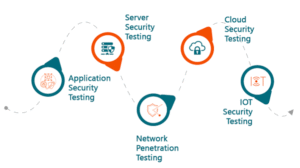
How are network VAPT findings verified?
A network vulnerability assessment & penetration test also involves validating whether identified vulnerabilities can be exploited under realistic conditions. Security professionals may perform controlled exploitation attempts to understand the level of access or impact an attacker could achieve. These activities are conducted carefully within approved testing boundaries to avoid disrupting business operations. The results provide organizations with practical insight into how serious a security weakness may be.
False positive identification is another important part of finding verification. Security tools can occasionally flag issues that appear vulnerable but are actually protected by additional security controls. Testers investigate these cases by examining configurations, applying manual checks, and confirming whether exploitation is possible. Removing false positives ensures that security reports remain accurate and focused on genuine risks.
Verification also includes reviewing affected systems and determining the scope of exposure. A vulnerability may impact a single device or multiple systems across an organization’s network. Security professionals analyze the extent of the issue to provide complete information about affected assets. Understanding the scope helps organizations plan effective remediation strategies and avoid leaving similar weaknesses unresolved elsewhere.
Evidence collection supports the verification process by providing clear documentation of confirmed findings. Testers record technical details such as vulnerability descriptions, affected systems, testing methods, and supporting proof. This evidence allows internal security teams to understand the issue and independently review the results if required. Well-documented findings improve communication between security professionals, IT teams, and management.
Organizations may also conduct internal reviews after receiving initial findings. Security teams can validate reported issues by checking system configurations, reviewing logs, and confirming whether recommended fixes are applicable. Collaboration between testers and internal teams helps ensure that findings are accurately interpreted and that remediation actions address the actual cause of the vulnerability.
After verification, findings are usually categorized based on risk level and business impact. Critical vulnerabilities that could lead to unauthorized access, data exposure, or major operational disruption receive higher priority. Lower-risk issues may be scheduled for future improvements. This structured approach allows organizations to focus their resources on addressing the most significant threats first.
Regular verification of security findings improves the overall value of security assessments. Without proper validation, organizations may struggle with inaccurate reports, unnecessary remediation efforts, or overlooked risks. A carefully conducted verification process ensures that security teams receive trustworthy information that supports better decision-making.
By confirming vulnerabilities through manual analysis, evidence review, and controlled testing methods, organizations gain a clearer understanding of their actual security posture. Verified findings provide practical guidance for improving network protection, strengthening security controls, and reducing the likelihood of successful cyberattacks. Effective verification transforms assessment results into meaningful improvements that help businesses maintain stronger and more resilient digital environments.